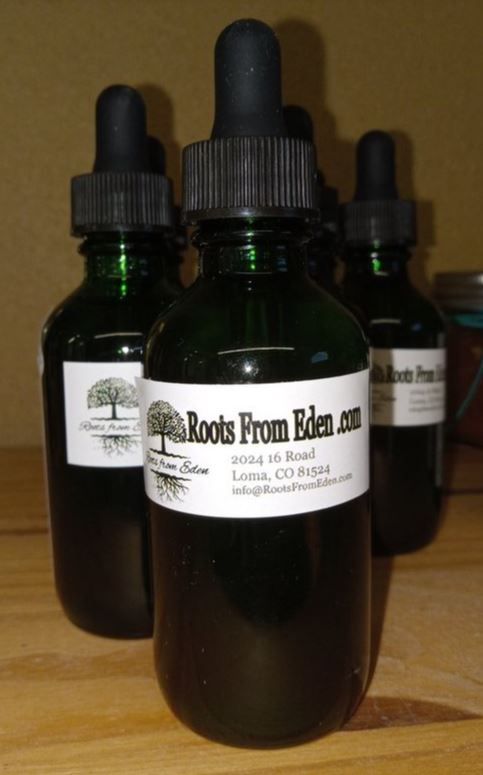
Diarrhea or Gut soothing Aid (Medicago Sativa) 2oz Tincture
$25.00
In stock
Product Details
Coriander (cilantro leaves and seeds) offers healing properties like improving digestion (reducing gas, cramps, diarrhea), boosting heart health (lowering cholesterol, blood pressure), regulating blood sugar, fighting inflammation, protecting the brain (memory, nerve cells), and strengthening immunity due to its rich antioxidants, vitamins (C, A), and bioactive compounds, with traditional uses extending to anxiety relief, infections, and pain
Ingrediants: Coriandrum sativum, and menstrum
Description :
Coriander (Coriandrum sativum) is a fast-growing herb grown worldwide in cool weather, looking like parsley when young (cilantro) with lobed leaves, then producing tall stalks with tiny white/pink flowers, and finally small, round, aromatic seeds (coriander). It thrives in well-drained soil, full sun to light shade, but bolts (flowers) in heat, losing leaf flavor, and is grown for both its leaves (cilantro) and seeds (coriander).
History and Folklore:
Coriander boasts a rich history from ancient Egypt (found in pharaoh tombs) to Biblical times (manna described like it) and beyond, used for spice, medicine (aphrodisiac, healing), and magic (love potions, protection). Folklore suggests it granted immortality in China, fostered love in medieval Europe (love potions, wedding confetti), and protected homes, symbolizing passion, vitality, and peace, bridging culinary, medicinal, and spiritual uses across cultures for millennia.
Precautions:
Coriander is generally safe but requires precautions for those with allergies, diabetes, low blood pressure, or before surgery, and when taking certain medications (blood thinners, sedatives, blood sugar/pressure meds), due to its effects on blood sugar/pressure, potential for photosensitivity, and sedative properties. Pregnancy/breastfeeding also warrants caution and medical advice, as does excessive use, which can cause skin/respiratory issues.
Traditional Herbal Actions*:
antioxidant, anti-inflammatory, blood sugar/cholesterol management, and mild sedative/anxiolytic effects, helping with anxiety, insomnia, and detoxification, while also showing antimicrobial properties.
Other Names:
Coriander refers to the dried seeds, while its fresh leaves and stems are called cilantro (US/Mexico) or fresh coriander (UK/Europe), also known as Chinese parsley, Mexican parsley, or dhania (India) for the leaves, with roots used in Thai dishes. It's one plant, Coriandrum sativum, but regional names split the herb (cilantro) from the spice (coriander seeds)
Tincture Ingredients: Coriandrum sativum, Menstrum
Tinctures: Tinctures are alcohol extracts of herbs. They act a little more quickly in the body and are very portable. Tinctures can be taken alone or mixed with a little juice or water. Never place in eyes or open orifices or wounds.
Recommended Suggested Servings for Humans
For chronic or maintenance issues, twice daily is usually sufficient. For acute situations, dosing can be done more frequently.
Tinctures for Adults: 1/4 to 1 teaspoon 2-3 times daily.
Herbs and Children
Don't use herbs in children without consulting a physician.
*These statements have not been verified by the FDA and is only referenced here as a fun fact and/or for historical commentary, is not to be used as medical advice in any way. Consult your doctor before ingesting any herbal product.
None of these items or statements are approved by FDA. Consult your physician before taking any supplement. Do not take herbs or tinctures during pregnancy without consulting your healthcare provider. This product is not intended to diagnose or treat any disease. All information here is for entertainment and educational purposes only.
Diarrhea or Gut soothing Aid (Medicago Sativa) 2oz Tincture