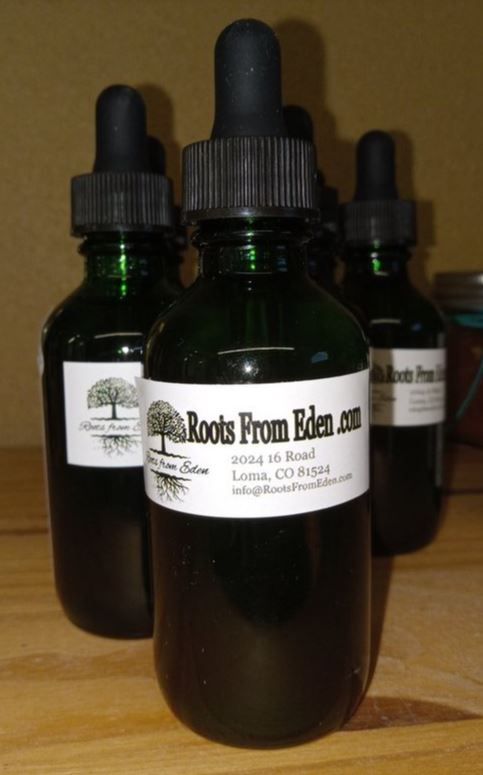
Cholesterol & Blood Sugar Aid (Medicago Sativa) 2oz Tincture
$25.00
In stock
Product Details
Alfalfa is a very nutritious and useful plant to have around. You can eat it as a food source; it was also used by early humans as early as 1300 B.C as nutrition and to presumably help support normal cholesterol and blood sugar.*
Ingrediants: Medicago sativa, and menstrum
Description :
Medicago sativa, is a perennial flowering plant in the Legume (pea) family. It grows from a base that is partially embedded in the top of the soid to between 1 and 3 feet tall. Groups of three compound leaves grow from single stems that branch from the main stalk. Purple flowers grow from separate stems. The ripe fruit is black or brown and contains several yellow seeds.The root of the alfalfa plant reaches deep into the soil, allowing the plant to extract a wide range of micro-minerals and other nutrients from deep in the ground. Internally, Alfalfa was used before modern medicine to help lower blood sugar, help lower serum cholesterol, help treat anemia, and provide high-powered nutrition. None of that has been verified by the FDA.
History and Folklore:
Alfalfa has been used as a food for both humans and livestock since at least 1300 B.C. Today, it is the third most valuable crop in the US after corn and soybeans. Because of its ability to trap nitrogen from the air, alfalfa makes a good ground cover or rotation crop, both of which help reduce the need for chemical fertilizers. Some stories also indicate it can restore grey hair back to its natural color.
Cultivation and Harvest:
Harvest the areal parts of the plant (stems, leaves, and flowers) when the plant just starts to flower. Dry the harvested material for use as powder, teas, tinctures, and extracts. The leaves can be eaten fresh as a part of a salad or soup.
Precautions:
Do not use with blood thinners or diabetes medication.
Traditional Herbal Actions*:
Alterative, Diuretic, Cardioactive, Antipyretic, Aperient, Oxytocic, Nutritive.*
Other Names:
Chilean clover, buffalo grass, father of all foods, buffalo herb, lucerne, purple medic, Spanish clover, California clover, purple medick, medicago, fuelle de luzerna (French), holy hay, trefoil, Alfalfa
Tincture Ingredients: Alfalfa (Medicago sativa)
Tinctures: Tinctures are alcohol extracts of herbs. They act a little more quickly in the body and are very portable. Tinctures can be taken alone or mixed with a little juice or water. Never place in eyes or open orifices or wounds.
Recommended Suggested Servings for Humans
For chronic or maintenance issues, twice daily is usually sufficient. For acute situations, dosing can be done more frequently.
Tinctures for Adults: 1/4 to 1 teaspoon 2-3 times daily.
DO NOT USE IF PREGNANT OR NURSING OR ON BLOOD THINNERS IF YOU ARE ON ANY MEDICATION CONSULT A DOCTOR BEFORE USE.
Herbs and Children
Don't use herbs in children without consulting a physician.
*These statements have not been verified by the FDA and is only referenced here as a fun fact and/or for historical commentary, is not to be used as medical advice in any way. Consult your doctor before ingesting any herbal product.
None of these items or statements are approved by FDA. Consult your physician before taking any supplement. Do not take herbs or tinctures during pregnancy without consulting your healthcare provider. This product is not intended to diagnose or treat any disease. All information here is for entertainment and educational purposes only.
Cholesterol & Blood Sugar Aid (Medicago Sativa) 2oz Tincture